



Surrey First Community Priorities Overview
Surrey First organizes municipal priorities to improve livability, support families and grow a resilient local economy across Surrey, British Columbia. Founded to coordinate civic initiatives across neighbourhoods, the mission centers on equitable services, affordable housing, parks and active transportation that reflect Surrey’s demographics and geography. Population stood at 568,322 in the 2021 national census across roughly 316 km², creating urgency for scalable infrastructure and inclusive programming.
History, mission and core commitments

Surrey First emerged as a civic movement focused on pragmatic municipal delivery and community partnerships. The mandate emphasizes measurable results: deliver affordable homes, expand parks and recreation, accelerate climate action, and strengthen public safety while supporting small business. Priority-setting reflects community consultations held in local town centres such as Whalley, Newton, Guildford and Cloverdale where growth pressures are highest.
Community priorities, programs and services
Community priorities concentrate on affordable housing, active living, environmental stewardship, improved mobility and local economic vitality. Major program areas include supportive housing referrals, rental assistance navigation, youth employment initiatives, seniors outreach, community policing partnerships and arts funding for neighbourhood festivals and cultural producers. Recreation programming integrates drop-in services, licensed childcare at community centres and expanded weekend transit-accessible activities that align with provincial health objectives.
Affordable housing priorities focus on increasing supply through partnerships with provincial agencies and nonprofit housing providers. Supportive housing projects concentrate in high-need corridors near transit hubs and health services to reduce barriers for vulnerable residents. Parks and green space investments target park upgrades, playground replacement, and multi-use trail connections to reduce urban heat and support recreational fitness.
Environmental sustainability emphasizes energy-efficient municipal assets, stormwater management and tree canopy renewal programs. Climate-action projects include municipal facility retrofits and community engagement campaigns to achieve emissions targets compatible with regional goals. Transportation initiatives prioritize bus rapid transit corridors, active-transport routes and targeted road improvements that improve accessibility for people with mobility challenges.
Economic supports combine small business grants, façade improvement incentives, and coordinated workforce development with local post-secondary partners. Youth engagement concentrates on apprenticeship pathways, summer employment placements and mentorship networks that connect employers with trainees in construction, health care, and clean technology sectors.
Health, safety, community care, arts and volunteer engagement
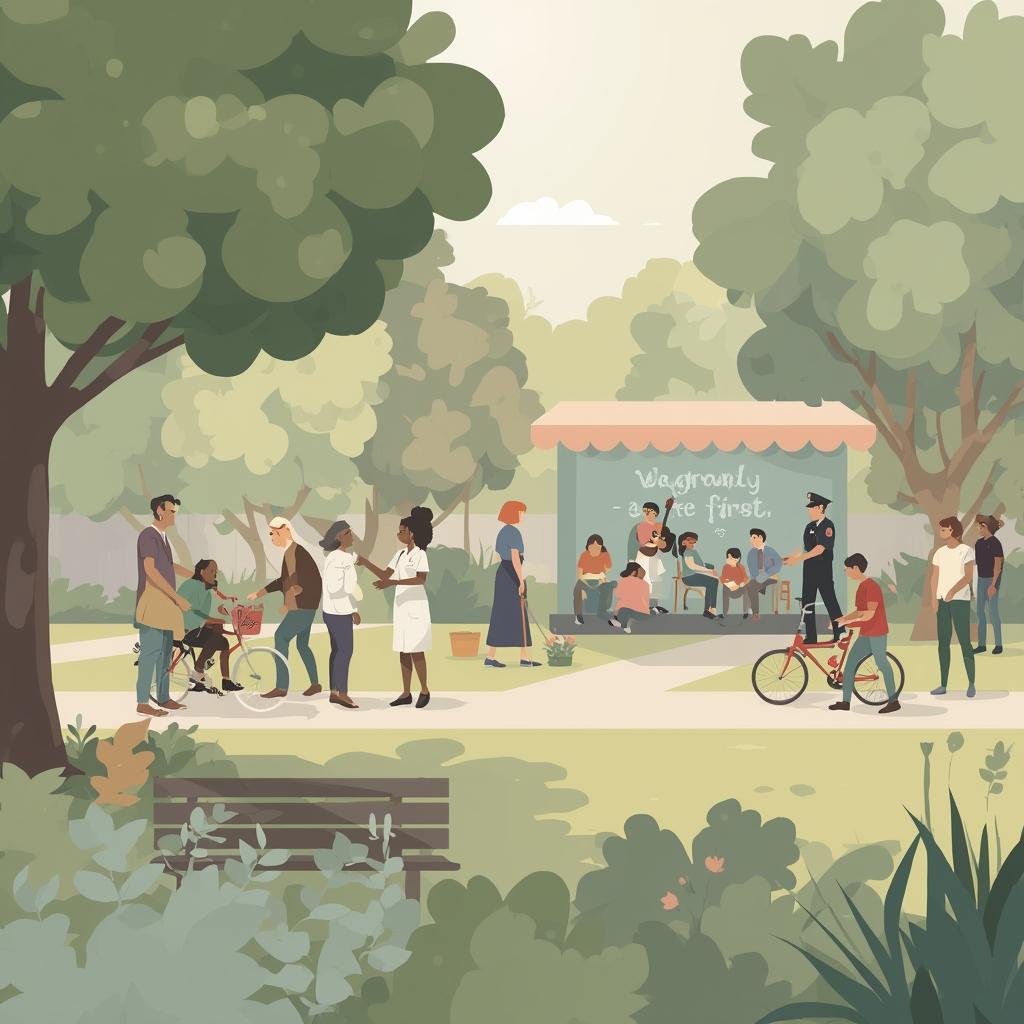
Health and wellness initiatives strengthen community care through partnerships with Fraser Health and local clinics, mental health navigation services, overdose prevention sites coordination, and expanded community paramedicine. Public safety strategy coordinates Surrey RCMP community policing units, municipal bylaw education programs, and neighbourhood emergency preparedness training to increase resilience to floods and extreme weather events.
Arts, culture and festivals remain vital for civic identity. Funding streams support multicultural festivals, Indigenous-led cultural projects and public art in transit corridors to increase social cohesion. Volunteer networks are organized through municipal volunteer bureaus, which place residents into capacity-building roles such as frontline event support and advisory committees that shape program delivery.
Performance metrics, financing and successful projects
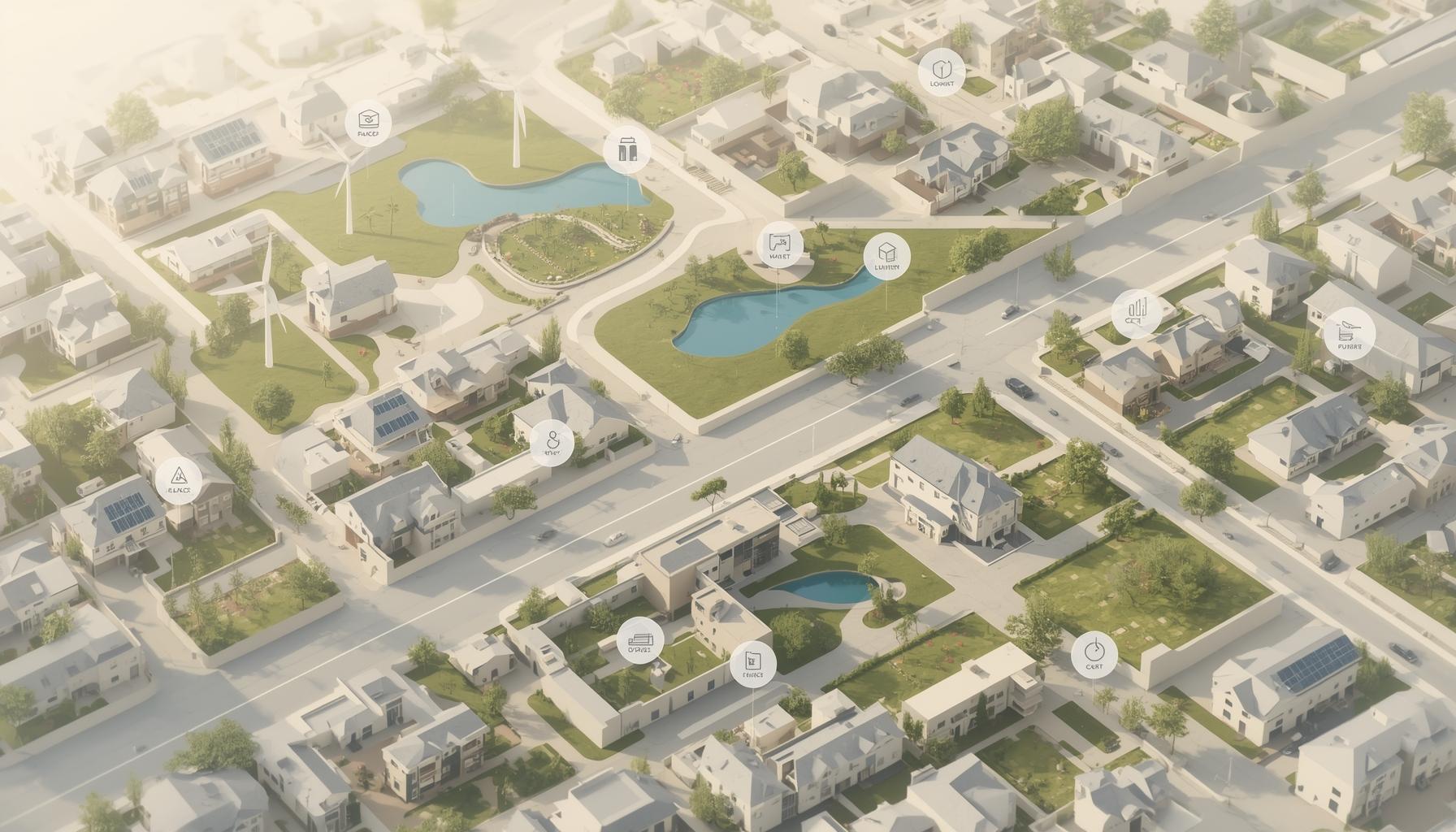
Measuring impact uses a combination of output and outcome indicators reported annually to the council and public. Key indicators include the number of affordable units enabled, park hectares added or improved, greenhouse gas emissions from municipal operations, transit mode-share shifts, and small business grant uptake. Financing blends municipal capital, provincial and federal contributions, philanthropic grants and development cost charges.
Below is a performance matrix showing representative program metrics, lead partners and recent results to illustrate scale and accountability. Text explains the data that follows and highlights how metrics inform adjustments to program delivery.
| Program area | Lead department or partner | Recent metric or result | Primary community outcome |
|---|---|---|---|
| Affordable and supportive housing | Housing Services, BC Housing, non-profits | 300 purpose-built units enabled via partnerships since 2019 | Reduced shelter waitlist and improved access to supports |
| Parks upgrades and trails | Parks and Recreation | 45 playgrounds refurbished and 18 km of multi-use trails added since 2020 | Increased active recreation opportunities across wards |
| Climate-action retrofits | Engineering, Facilities | Retrofit of 12 municipal facilities reduced energy use by estimated 14% | Lowered municipal emissions and operating costs |
| Transit and mobility projects | Engineering, TransLink coordination | Bus rapid transit phases advanced; bike lanes added on 22 streets | Improved connectivity to regional transit and safer cycling |
| Small business supports | Economic Development | 1,200 microgrants awarded and 85 business workshops held in last two years | Strengthened local entrepreneurship and job creation |
After reviewing performance, partners adjust funding priorities to scale what shows measurable benefit and to redirect resources when outcomes lag expectations.
Case studies, lessons and future priorities
Successful neighbourhood projects include a mixed-use redevelopment near a rapid transit station that combined ground-floor retail, below-market rental units and a public plaza, demonstrating benefits of transit-oriented development. Lessons learned emphasize the need for early engagement with residents, phased delivery to reduce disruption, and integrated social supports to accompany housing.
Challenges include balancing rapid population growth with infrastructure funding, addressing complex mental health and homelessness needs, and accelerating climate adaptation in low-lying floodplain areas. Strategic priorities for the coming five years emphasize unlocking additional affordable units, expanding park access in fast-growing wards, improving walking and cycling networks, and increasing investments in youth employment and seniors accessibility.
How residents can take part and where to get information

Residents can influence policy through neighbourhood panels, public hearings, volunteer advisory roles, and targeted consultations announced on municipal websites and social channels. Opportunities include grant applications for community festivals, nomination to advisory committees on seniors or youth services, and participation in emergency preparedness workshops.
Key municipal contacts and resources appear on official channels for specific programs and permitting. For immediate engagement, residents are encouraged to sign up for municipal newsletters, attend town-hall style meetings in local civic centres and contact council offices via established municipal channels to request briefings or submit proposals for local projects.